
The biggest threat from AI is called 'debilitation' and experts believe it has already begun
The greatest danger from the rapid spread of AI may not be a spectacular, apocalyptic scenario, in which machines turn against humanity. According to experts, a much more…
⏱ 3 min read
The greatest risk from the rapid spread of artificial intelligence may not be a spectacular, apocalyptic scenario, in which machines turn against humanity.
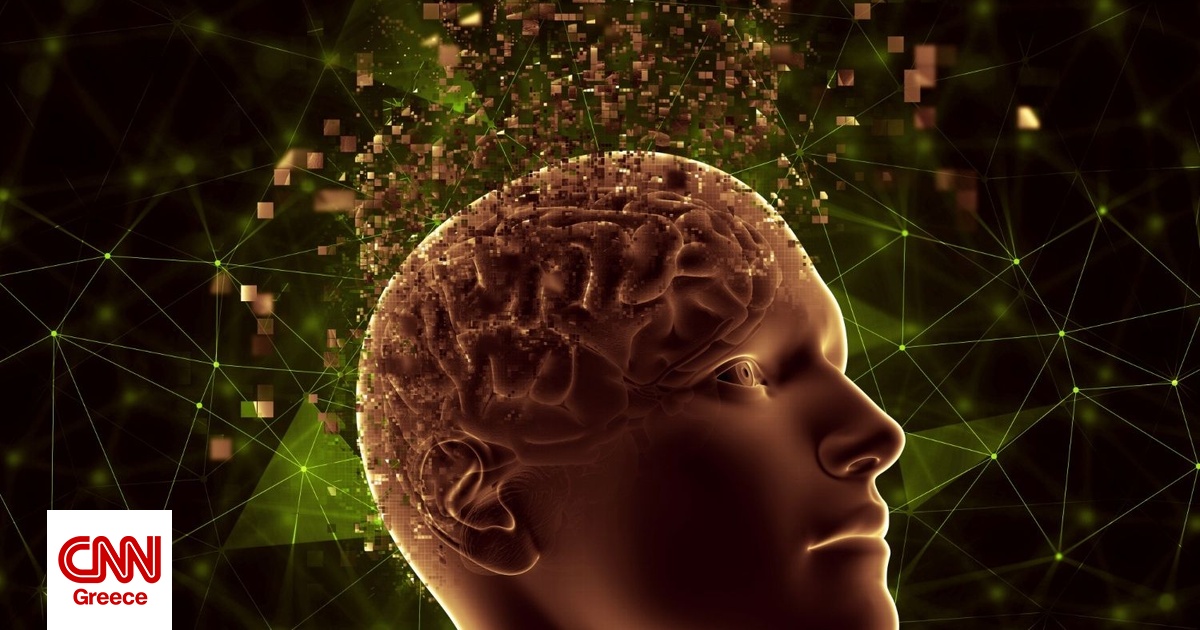
According to experts, a much quieter threat may already be underway: the gradual weakening of our ability to think, plan and make decisions without the help of AI. The phenomenon is described as 'disempowerment' and refers to the gradual erosion of critical thinking, the ability to program, and even certain emotional skills, as humans shift more and more responsibility to machines.
Real risk
Dr Samuele Vinanzi, Associate Professor of Robotics and Artificial Intelligence at Sheffield Hallam University in the UK, considers this to be one of the most serious real-world risks associated with AI. Indeed, as he points out, a growing number of surveys indicate that this worrying process may already have begun.
“Over time, these small decisions could lead us to a population that has difficulty thinking without the help of AI and is less able to understand, control, and, when needed, circumvent the systems on which it depends, "he warns.
According to Vinanzi, the scenarios in which a super AI gains control of electrical networks or nuclear installations are not the most realistic. As he points out, every action in the real world is still highly dependent on people, material means and infrastructure. That iswhy he considers that the most dramatic predictions often overlook how closely technology remains intertwined with human intervention.
Much more likely, in his view, is the risk of a slow “weakening of human capacities” due to the constant assignment of tasks to machines.
How 'weakening' happens
This process does not happen abruptly, but cumulatively, through many small daily choices. Psychologists use the term “cognitive unloading” for the tendency of people to resort to external tools in order to save mental effort.
The more we assign a computer to write, program, research or assist us in making decisions, the more normal this shortcut becomes and the more difficult it is to return to more demanding mental procedures. Over time, convenience can turn into dependency.
Vinanzi cites as a typical example a recent incident in the US, when a wrong report generated by an AI chatbot allegedly drove the US armed forces close to boarding a ship with chinese flag, because the system falsely claimed to be carrying components for a nuclear weapons program.
The crisis was averted because someone stopped and questioned the evidence. “It is precisely this kind of critical thinking that we are in danger of losing,” Vinanzi notes.
Reference: galaksias.gr
Machine translation


Comments